


Tantalum
The perfect metal for the aerospace, electronics, defense, industrial and medical industries.

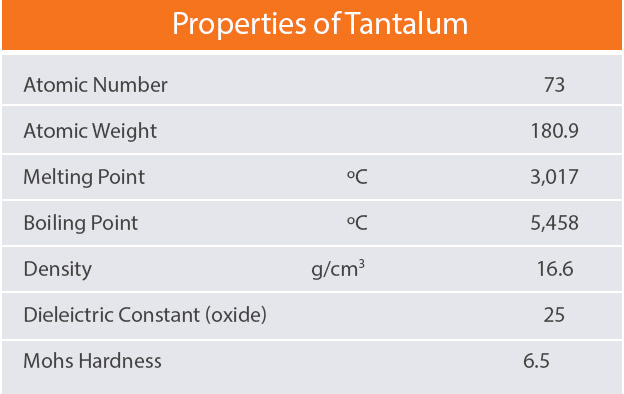
Tantalum is a soft, ductile, grey-blue metal with a high melting point. The metal is highly resistant to chemical attack and has a high electrical capacitance. Its physical properties make it ideal for numerous applications, particularly in the electronics and aerospace industries.
The use of tantalum has expanded dramatically since the 1940s as a result of major advances in electronics. The principal source of tantalum until the 1990s was tin mining, where tantalum was extracted as a by-product. By the 1990s the main source of tantalum came from the extraction of specific tantalum ores in different parts of the world.
Consumption of tantalum increased significantly in the second half of the 1990s with the demand for capacitors required for products in the rapidly growing consumer electronics market.
Today, the market for tantalum is supported by the growth in consumer electronics, aerospace, medical, military, energy and chemical processing.
Sources
The primary source of tantalum is from minerals such as tantalite, columbite, wodginite and microlite contained in pegmatite ore bodies. The largest deposits are located in Australia, Brazil and Africa.
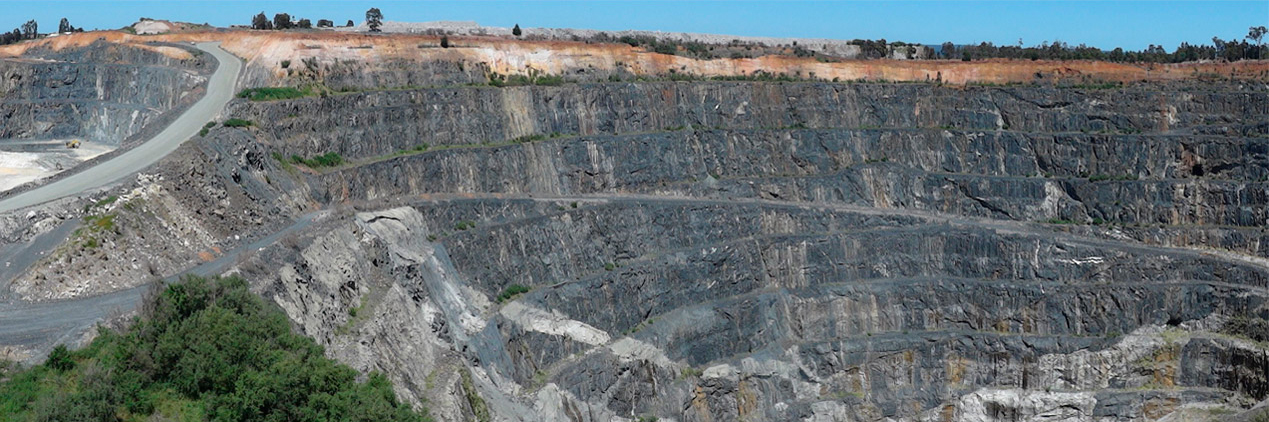
The tantalum market is supplied from a variety of sources:
- Primary production of tantalum-bearing minerals by conventional mining operations
- Artisanal production of tantalum-bearing minerals
- Synthetic concentrates produced from tin slags and accumulated tin-mining wastes
- Recycled consumer and processor scrap and other secondary materials
- Co-product of lithium hard rock mining
Applications
Tantalum offers a wide variety of uses in critical applications:
Capacitors
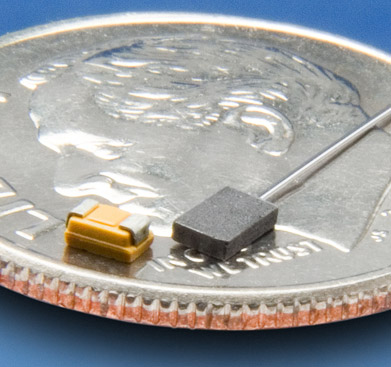
About half the tantalum consumed each year is used within the electronics industry, mainly as powder and wire for capacitors. As the market moves to greater miniaturization, the tantalum capacitor is favored in space-sensitive, high-end applications in telecommunications, data storage and implantable medical devices.
Semiconductors
Tantalum is a critical component in the manufacture of state-of-the art semiconductors. Using the physical vapor deposition (PVD) process, tantalum is “sputtered” onto semiconductor substrates to form a thin film diffusion barrier to protect the copper interconnects. Tantalum sputtering targets are used in a variety of other products, including magnetic storage media, inkjet printer heads and flat panel displays.
Engine turbine blades
The metal’s high melting point and resistance to corrosion makes it suitable for alloying applications. Tantalum is used in nickel based superalloys where the principal applications are turbine blades for aircraft engines and land based gas turbines.
Additive manufacturing
Tantalum offers a high corrosion resistance, high strength and high purity, which enables 3D printing of parts for the aerospace, automotive, medical, defense, energy and chemical processing industries. Tantalum can be printed utilizing any of the common printing technologies like laser powder bed fusion, electron beam, direct energy deposition, Binderjet and MIM.
Chemical processing equipment
Tantalum’s high resistance to corrosion and high temperature makes the metal an ideal material of construction for liners in vessels, piping, valves and heat exchangers in the chemical and pharmaceutical industries.
Other applications
Tantalum is used in a range of other applications requiring strength, ductility, toughness, corrosion resistance, thermal conductivity and high melting point:
Ballistics
Surgical implants and closures
Cemented carbides for cutting tools
Tantalum compounds for optical applications and surface acoustic wave filters


Supply Chain
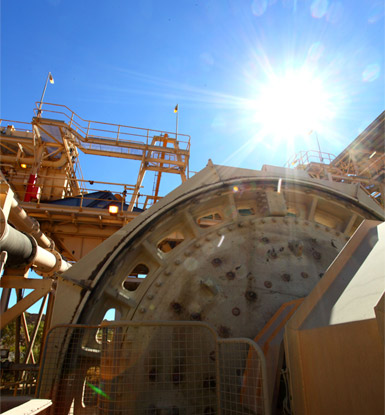
GAM is the only vertically integrated tantalum company that includes both tantalum mining and processing facilities. This vertical integration process enables GAM to provide a long term, stable supply of products.
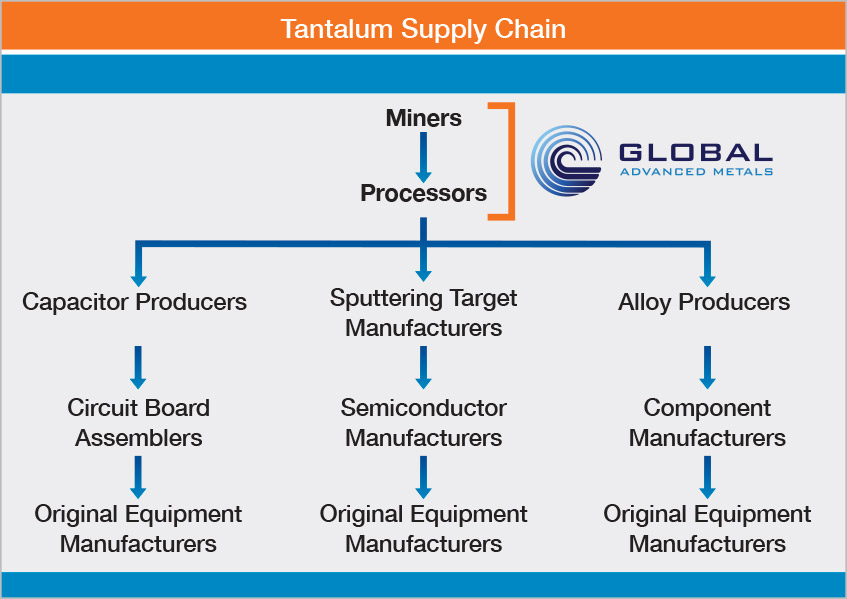
The tantalum supply chain can be relatively lengthy in terms of raw material traceability. Originating from the mining of ore to the manufacturer of the finished product, whether electrical equipment or turbine blades, the supply chain can include intermediaries such as traders and distributors and be sourced from multiple suppliers at any step in the process. GAM assures customers that the source of their raw materials can be traced.